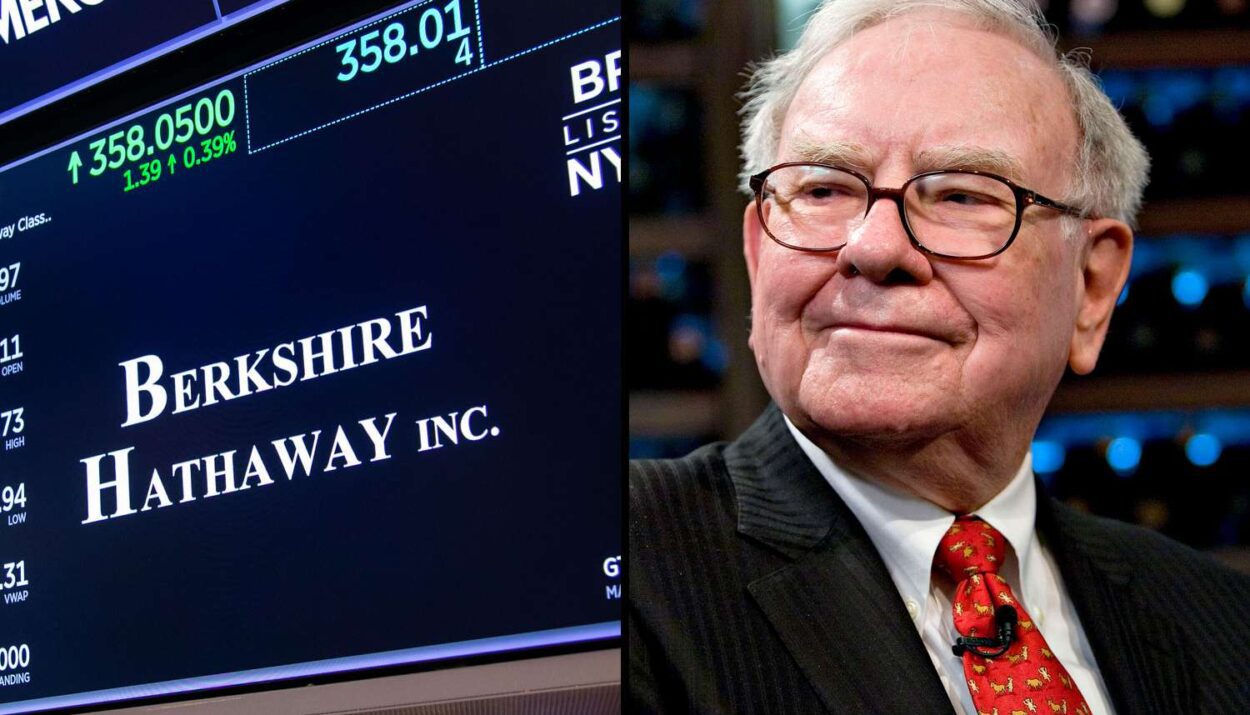
Warren Buffett has officially ended his remarkable six‑decade run as CEO of Berkshire Hathaway, closing a chapter that transformed a failing textile mill into one of the world’s most valuable conglomerates. His final day in the role came on Wednesday, marking the end of an era for a company built on his distinctive investment philosophy and steady leadership.
Buffett, now 95, isn’t disappearing from the scene. He will remain chairman of the board and continue spending time at Berkshire’s Omaha headquarters. But he has made clear that he is “going quiet… sort of,” leaving day‑to‑day decision‑making to his successor, Greg Abel.
A Legacy Built on ‘Float’ and Discipline
Buffett’s tenure is legendary. By using insurance “float” — premiums collected before claims are paid — he built a vast investment engine that allowed Berkshire to acquire major stakes in public companies and buy entire businesses outright. The strategy helped grow Berkshire into a trillion‑dollar enterprise and made Buffett one of the richest people on the planet, with a net worth exceeding $150 billion.
His philanthropy has been equally historic: he has already donated stock worth more than $200 billion and instructed his children to give away nearly everything that remains.
Greg Abel Takes the Helm
Abel, long considered Buffett’s natural successor, joined Berkshire in 2000 through the acquisition of MidAmerican Energy. Since 2018, he has served as vice‑chairman overseeing non‑insurance operations — effectively running much of the company already.
CNBC’s Becky Quick noted that Abel has been handling many of the operational challenges Buffett preferred to avoid, and that Buffett’s continued presence — along with his 30% voting control — will act as a protective buffer as Abel settles into the top job.
In recent years, Abel has already begun reshaping Berkshire’s famously hands‑off management culture. While Buffett prized autonomy for subsidiary CEOs, he acknowledged that Abel brings “more discipline” and more direct engagement with managers.
A recent structural change underscored this shift: Berkshire added a new management layer by elevating the CEO of NetJets to help oversee the company’s 32 consumer‑facing businesses.
Continuity, With Gradual Change
Shareholders and analysts expect Berkshire to evolve under Abel, but not abruptly. As investor Ann Winblad told CNBC, the company will “operate differently” but its core strategies are unlikely to change overnight.
Still, some major questions remain unresolved — including whether Berkshire will eventually pay a dividend, how it will deploy its enormous cash pile (over $350 billion), and how investment decisions will be handled once Buffett fully steps back.
Market Reaction and Berkshire’s Performance
Buffett’s announcement in May that he would step down triggered a noticeable market reaction. Berkshire’s A shares hit a record $809,350 just before the news, then slid 14% to a low of $692,600 in August. They recovered to end 2025 at $754,800, up nearly 11% for the year — but still trailing the S&P 500’s 16.4% gain.
With dividends included, Berkshire underperformed the index by seven percentage points in 2025, a reversal from its slight outperformance the year before.
A New Era Begins
Buffett’s departure raises long‑term questions about how Berkshire will adapt without the singular figure who shaped its identity. Analysts note that the company may eventually face pressure to behave more like a conventional corporation — making quicker moves, deploying capital more aggressively, and responding to investor demands.
But for now, Berkshire enters 2026 with continuity at the top, a massive cash reserve, and the enduring influence of the man who built it.