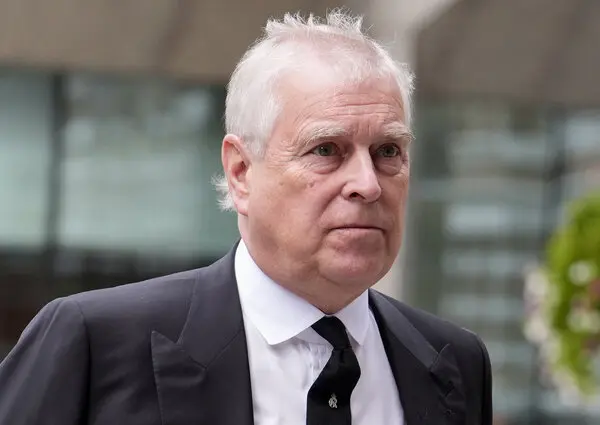
The arrest of Andrew Mountbatten‑Windsor—formerly Prince Andrew—on suspicion of misconduct in public office has sent shockwaves through the United Kingdom and beyond. It marks one of the most dramatic moments in modern royal history, raising profound questions about accountability, institutional resilience, and the evolving role of the monarchy in public life.
A Sudden Intervention on His 66th Birthday
On the morning of February 19, 2026, police arrived unannounced at the Sandringham Estate, where Andrew had been residing. The former prince, who had planned a quiet birthday with his dogs, instead spent roughly eleven hours in custody as investigators searched multiple properties linked to him, including Wood Farm and Royal Lodge.
His arrest stems from allegations that, while serving as the UK’s trade envoy, he shared sensitive information with the late financier and convicted sex offender Jeffrey Epstein. These claims resurfaced after the release of a new tranche of emails from the U.S. Department of Justice—documents now central to the ongoing investigation.
A Crisis Years in the Making
Andrew’s ties to Epstein have been the subject of scrutiny for years, culminating in the loss of his royal titles and patronages in 2025. The arrest represents the most serious legal development to date, and the first time in modern history that a senior member of the Royal Family has been taken into police custody.
Police searches continued into the following day, with unmarked vans entering Royal Lodge as investigators combed through the former prince’s longtime residence. Andrew was released under investigation, meaning he has neither been charged nor cleared.
Reactions From Survivors and the Public
For many survivors of Epstein’s abuse, the arrest represents a long‑awaited moment of accountability. Maria Farmer, one of Epstein’s earliest accusers, described feeling “elated,” calling the arrest a sign that “power can be toppled.” She emphasized that the development felt like a continuation of the fight led by Virginia Giuffre, who had accused Andrew of sexual assault and died in 2025.
The Royal Family’s Response
King Charles III issued a brief but pointed statement expressing “deepest concern” and affirming that “the law must take its course.” His remarks underscore the delicate balance the monarchy must maintain: supporting due process while distancing the institution from Andrew’s personal actions.
Royal historians note that the crisis is more personal than constitutional. Andrew’s removal from public duties and loss of titles in 2025 created a buffer between him and the monarchy, but the arrest still represents an unprecedented challenge for the royal family’s public image.
Historical Parallels
The last time a senior royal faced arrest was nearly four centuries ago, when King Charles I was tried and executed in 1649. While the circumstances are incomparable, the historical echo has reignited public interest in the monarchy’s past and its capacity to withstand scandal.
What Comes Next
Andrew Mountbatten‑Windsor remains under investigation. Police forces across the UK, including the National Crime Agency, are now involved in reviewing the Epstein files and related allegations. The outcome of this inquiry may shape not only Andrew’s future but also the monarchy’s trajectory in the years ahead.