A growing body of evidence suggests that what young people drink may influence not only their physical health but their mental well‑being. New research now links high consumption of sugar‑sweetened beverages to increased symptoms of anxiety in adolescents.
A systematic review and meta‑analysis from Bournemouth University found that teens who frequently consume sugary drinks face a 34% higher risk of experiencing anxiety symptoms. The findings, published February 10 in the Journal of Human Nutrition and Dietetics, mark the first comprehensive review to examine this connection in young people.
A Consistent Link Across Studies
The researchers analyzed nine studies exploring sugary drink intake and anxiety in adolescents. Seven of the nine showed a significant positive association between the two.
Study co‑author Chloe Casey, PhD, noted that public health efforts have traditionally focused on the physical consequences of poor diet — obesity, diabetes, heart disease — while the mental health effects of high‑sugar beverages remain underexplored.
“While we cannot yet confirm a direct cause, this study highlights an unhealthy connection between sugary drink consumption and anxiety disorders in young people,” Casey said. With adolescent anxiety rates rising sharply in recent years, she emphasized the importance of identifying modifiable lifestyle factors.
Sugary Drinks: A Major Source of Added Sugar
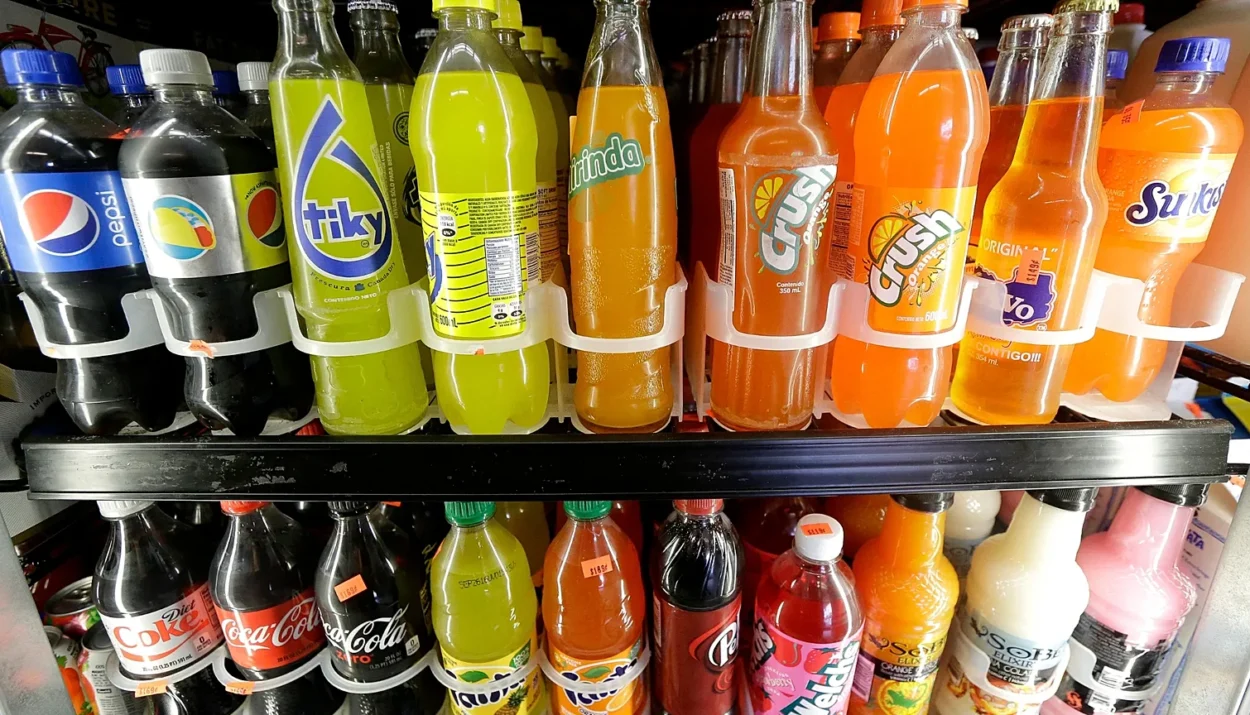
In the United States, sugar‑sweetened beverages remain one of the largest contributors of added sugars in the diet. More than 60% of youth consume at least one such drink on any given day, according to the CDC.
Frequent intake is already linked to a range of health issues, including:
type 2 diabetes
weight gain and obesity
heart disease
nonalcoholic fatty liver disease
gout
tooth decay and cavities
Whitney Linsenmeyer, PhD, a registered dietitian and spokesperson for the Academy of Nutrition and Dietetics, said the new findings are consistent with what nutrition experts have long observed.
“These beverages provide calories but almost no nutritional value,” she explained. “Their sugars are rapidly absorbed, causing spikes and crashes in blood sugar that can contribute to poor physical and mental health.”
And it’s not just soda. Energy drinks, flavored milks, sweetened coffees, iced teas, and lemonades can contain equal — or greater — amounts of added sugar.
How Sugar May Influence Mental Health
The Bournemouth study adds to emerging research suggesting that diet plays a meaningful role in mental health. Experts say several biological mechanisms could explain the link between sugary drinks and anxiety:
Blood sugar fluctuations can intensify feelings of jitteriness or nervousness.
Hormonal changes, including shifts in serotonin and dopamine, may be influenced by diet.
Inflammation and gut health, both affected by high‑sugar intake, are increasingly recognized as contributors to mood disorders.
“Our mental health and food are deeply connected,” said pediatrician Daniel Ganjian, MD. “The spikes and crashes from sugary drinks can make anxiety symptoms feel much worse.”
Still, experts caution that the study shows an association — not proof that sugary drinks directly cause anxiety. High intake may be part of a broader lifestyle pattern involving poor sleep, low‑quality diets, or higher stress levels.
“Either way, sugary drinks are not a healthy option,” said Wesley McWhorter, a registered dietitian nutritionist and spokesperson for the Academy of Nutrition and Dietetics.
Healthier Alternatives for Teens
The study’s authors suggest that reducing sugary drink consumption could be one step toward improving mental health outcomes in young people.
Dietitians recommend:
Sparkling water with a splash of fruit juice
Flavored sparkling waters
Herbal teas
Milk without added sugars
Fruit‑infused water (e.g., oranges, lemons, strawberries)
Linsenmeyer encourages families to think of sugary drinks as an occasional treat — “a dessert,” not a daily hydration source.