A stressful year leads to anxiety. Lasting isolation gives way to depression. An old trauma nags until it becomes paralyzing. Psychological and social experiences shape the brain, potentially leading to mental health issues. But the underlying mechanisms—how these experiences translate to physiological changes in the brain—remain poorly understood.
Now, psychological scientists may have found a missing link.
“We actually have biomarkers that really are showing links between psychological processes and people’s physiology,” said Christopher Fagundes, a professor of psychological sciences at Rice University.
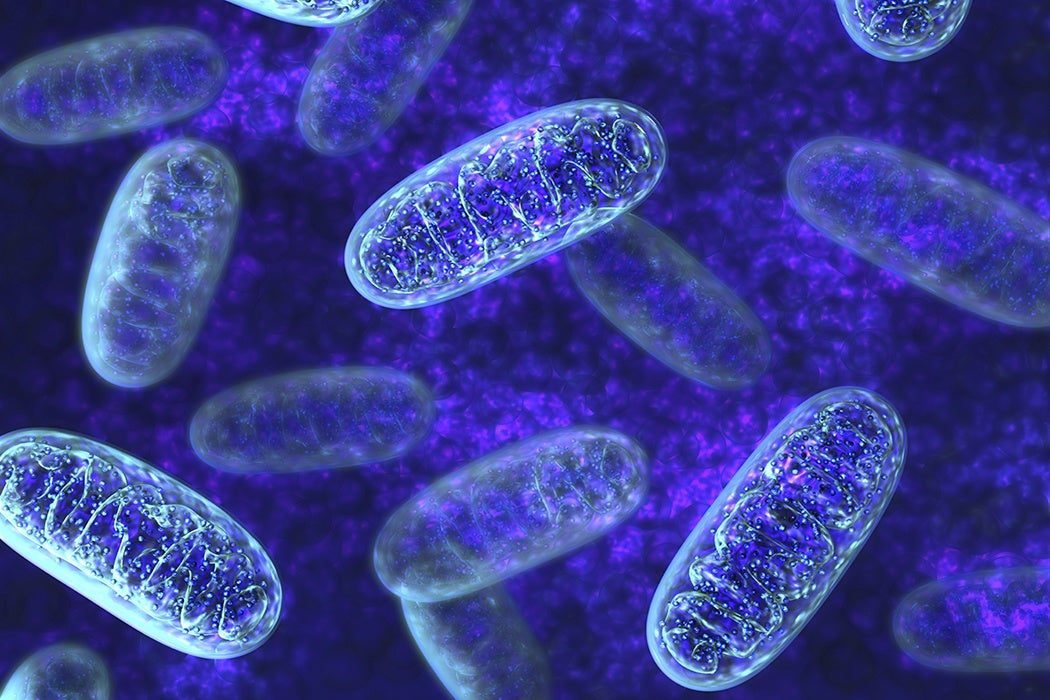
In a review published in Current Directions in Psychological Science, Fagundes and his colleagues argue that the missing link might be mitochondria—those bean-shaped organelles from high school biology class.
Mitochondria’s role in mental health
Mitochondria are best known as the powerhouses of the cell for their role in generating energy. But they are now being recognized for many more roles, including their part in immune signaling, stress responses, and neural functioning. They are sensitive to environmental changes and social conditions, suggesting stress, loneliness, and trauma may target mitochondria, leading to downstream psychological effects.
Alterations in mitochondrial function have been linked to anxiety, depression, post-traumatic stress disorder (PTSD), Alzheimer’s disease, and other neurological disorders, as well as physical health outcomes such as cardiovascular diseases, diabetes, and certain cancers.
“The actual cellular machinery that links these experiences to disease really starts at the level of the mitochondria,” said Fagundes, in an interview with the Observer. “Everything from the things we think of in terms of oxidative stress, to fatigue we feel, to the byproducts that come when stressors get out of control, it really is at the root of that.”
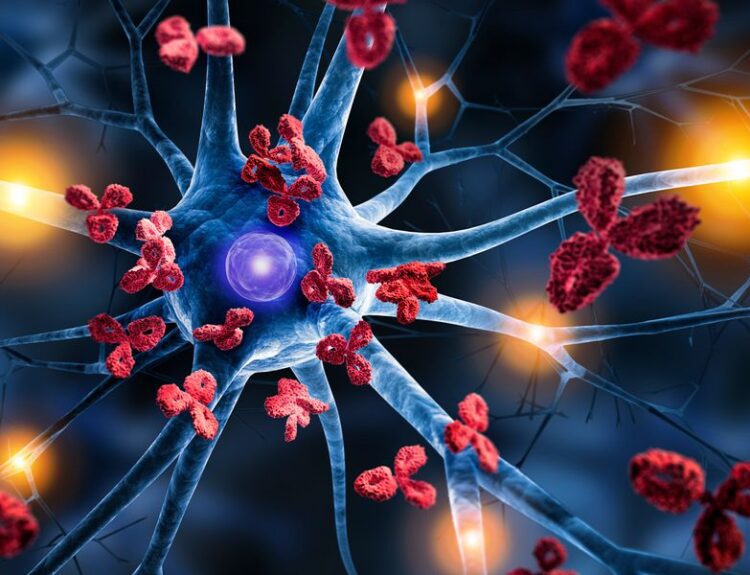
The brain’s high energy demand makes it particularly vulnerable to mitochondrial dysfunction. If mitochondria are less efficient, there is less energy for neurotransmission and plasticity, affecting processes that support mood regulation and memory. Variations in mitochondrial DNA—which helps control mitochondrial function—are associated with a greater risk for anxiety and depression.