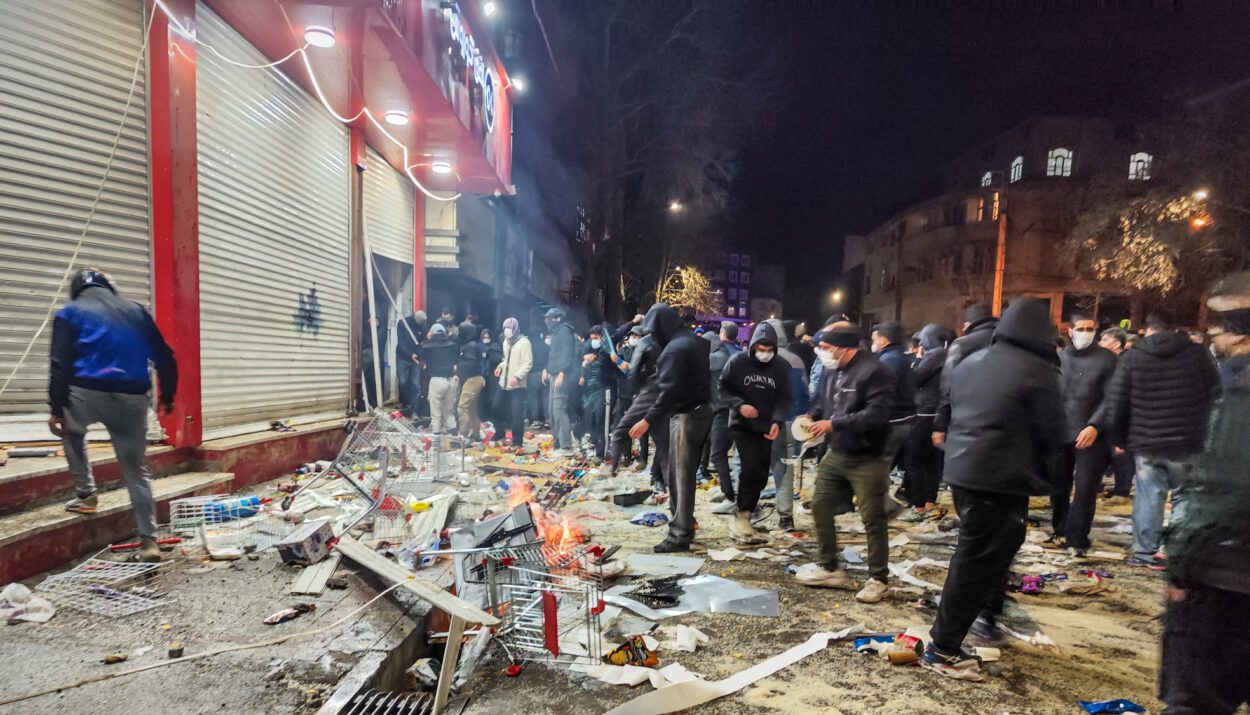
Iran is experiencing one of its most turbulent periods in years, as widespread protests, economic collapse, and escalating tensions with the United States converge into a national crisis. The situation is evolving rapidly, shaped by domestic unrest, international pressure, and a tightening information blackout.
🔥 Nationwide Protests Enter Second Week
Demonstrations have spread across more than 100 cities, including Tehran, Mashhad, Isfahan, Qom, Tabriz, and Bandar Abbas.
The protests began over severe economic hardship, including hyperinflation and the collapse of the Iranian rial, but quickly escalated into direct challenges to the Islamic Republic’s leadership.
Key developments:
Rights groups report at least 45–65 protesters killed so far.
Verified videos show thousands marching peacefully, chanting slogans against Supreme Leader Ayatollah Ali Khamenei.
Some cities have seen violent clashes, with reports of live fire in western regions.
Protesters in Fardis allegedly faced machine‑gun fire mounted on vehicles, though this remains unverified.
📵 Internet and Phone Networks Shut Down
Iran has imposed a nationwide internet and telecommunications blackout, severely limiting the flow of information.
This blackout:
Prevents protesters from organizing
Blocks journalists from verifying events
Masks the scale of casualties and arrests
International watchdogs describe the shutdown as “chillingly precise” and designed to obscure state violence.
🏛️ Government Response: Blame on Foreign Powers
Supreme Leader Ayatollah Ali Khamenei has acknowledged economic grievances but insists “external forces”—primarily the US and Israel—are behind the unrest.
Iran’s UN envoy sent a formal letter accusing Washington and Israel of:
Inciting instability
Encouraging violence
Interfering in Iran’s internal affairs
Authorities also claim to have arrested “foreign-linked agitators” and seized smuggled weapons.
🇺🇸 Escalating Tensions With the United States
US President Donald Trump has issued some of his strongest warnings yet:
The US is “locked and loaded” if Iran kills protesters
“If they start shooting people… we’ll hit them very hard”
Iran responded by:
Putting its military on high alert
Threatening US bases in the region
Declaring any attack on Iran a “red line” that will trigger retaliation
This comes months after US strikes on Iranian nuclear facilities, raising fears of a broader conflict.
🏛️ Opposition Figures Gain Visibility
Exiled crown prince Reza Pahlavi has emerged as a symbolic figure for many protesters:
His posters appear in demonstrations
Chants of “Bring back the monarchy” have been reported
He has urged protesters to seize city centers and called for nationwide strikes
While his actual political influence remains uncertain, his visibility marks a significant shift in Iran’s protest landscape.
🌍 International Reactions
Germany condemned Iran’s use of excessive force.
Canada denounced killings and arbitrary arrests.
India stated that the situation is “stable” for its citizens but is monitoring developments closely.
Human rights groups warn of mass casualties hidden by the blackout.
📉 Economic Collapse at the Heart of the Crisis
The protests were triggered by:
Soaring prices
Currency collapse
Shortages of essential goods
Years of sanctions and mismanagement
Iran’s economy is now in one of its worst states since the 1980s.
🧭 What Comes Next?
Iran stands at a pivotal moment.
The regime faces:
Its most widespread protests since 2022
A collapsing economy
Intensifying pressure from the US
A population increasingly willing to challenge the state
Whether the government opts for reform, repression, or escalation will shape the region’s stability in the months ahead.