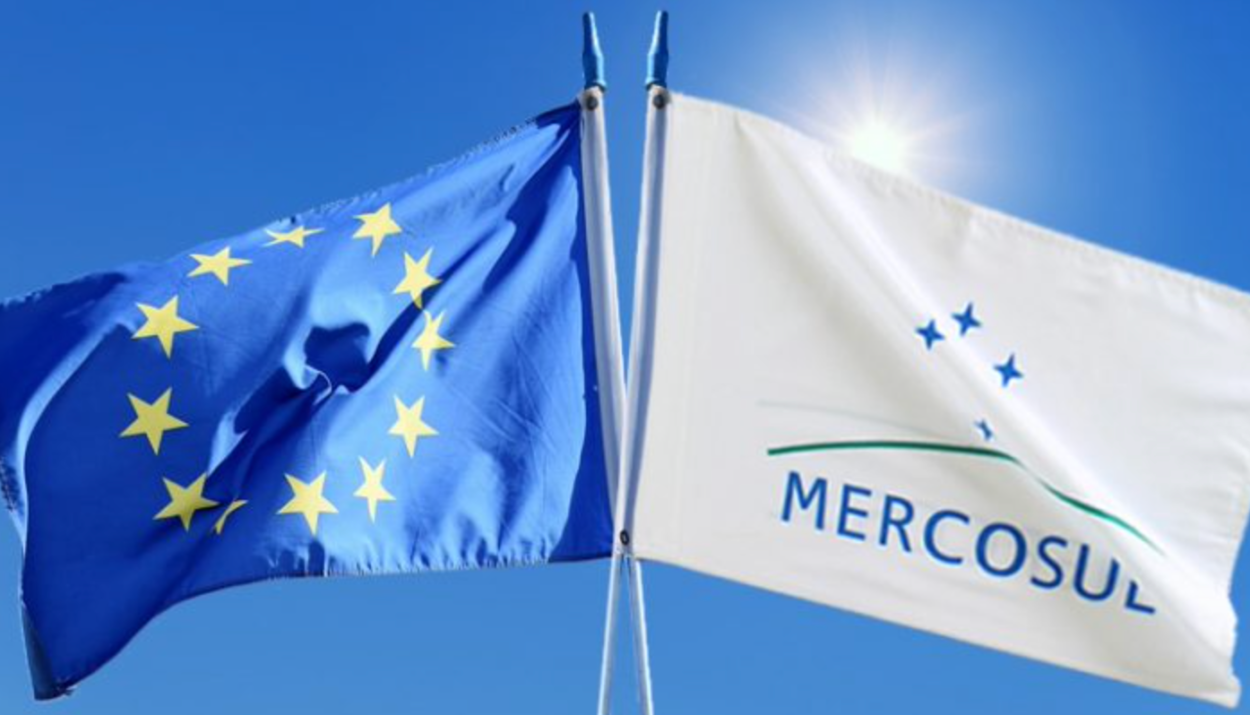
The long‑negotiated EU–Mercosur trade agreement — more than 25 years in the making — has finally cleared a major political hurdle. EU member states have provisionally approved the pact, setting the stage for one of the world’s largest free‑trade areas, linking the European Union with Brazil, Argentina, Paraguay and Uruguay. But while business groups celebrate, Europe’s farmers are sounding the alarm.
This article unpacks what the deal contains, why it matters, and how it could reshape the future of EU agriculture.
🧩 What the Deal Actually Does
According to reporting from Al Jazeera and other outlets, the agreement would:
Remove duties on 91% of EU exports to Mercosur over 15 years.
Lift duties on 92% of Mercosur exports to the EU over 10 years.
Create a free‑trade zone covering over 780 million people.
Open EU markets to additional quotas of agricultural imports, including up to 99,000 tonnes of beef at reduced tariffs.
Expand EU access to Mercosur markets for cars, machinery, chemicals, and pharmaceuticals.
The European Parliament must still approve the deal — and that vote is expected to be tight.
🚜 Why EU Farmers Are Protesting
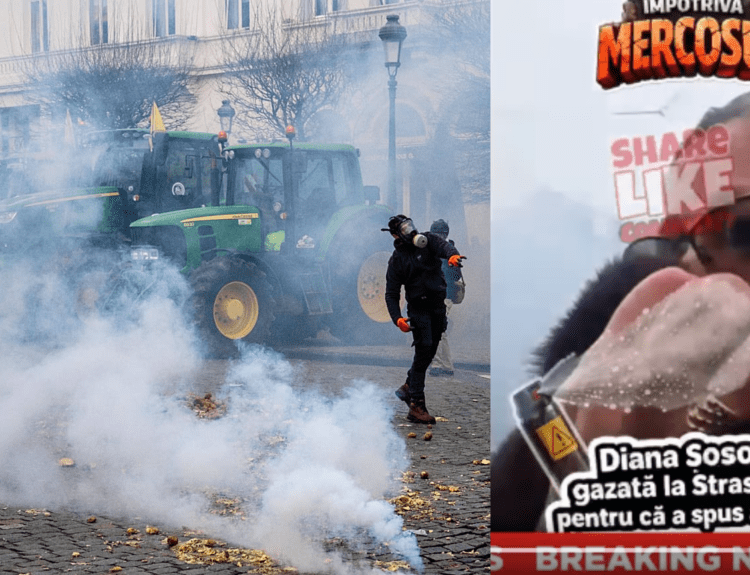
Across Ireland, France, Poland, Belgium and beyond, farmers have taken to the streets. Their concerns fall into three major categories:
1. Unfair Competition From Cheaper Imports
Farmers fear that South American beef, poultry and sugar — often produced at significantly lower cost — will undercut EU producers.
Irish farmers warn the beef quota alone could “close down the whole countryside”.
Copa‑Cogeca, the EU’s largest farm lobby, calls the deal “economically and politically damaging” for farmers and rural communities.
2. Lower Environmental and Animal‑Welfare Standards
EU farmers operate under some of the strictest rules in the world. They argue that Mercosur imports may not meet equivalent standards on:
animal welfare
traceability
pesticide and antibiotic use
deforestation‑linked production
Irish and French officials have expressed concern that the deal lacks adequate safeguards to ensure imported beef meets EU environmental requirements.
3. Pressure on Rural Economies
Agriculture remains the backbone of many rural regions.
In Ireland alone, 300,000 people work in the agri‑food sector.
Farmers warn that price pressure from imports could accelerate rural decline, farm closures, and demographic collapse.
🌱 Environmental Concerns: A Shared Front With Activists
Interestingly, farmers and climate activists — often at odds — find themselves aligned here.
Environmental groups warn that increased demand for South American beef could accelerate deforestation in the Amazon and weaken global climate efforts.
The EU has proposed mechanisms to suspend preferential access if environmental commitments are breached, but critics say enforcement remains vague.
💼 Why Many Businesses Support the Deal
European industry groups, especially in manufacturing, strongly back the agreement.
Chambers Ireland describes it as a “decisive moment” that will:
diversify EU supply chains
reduce reliance on the US and China
open a market of 280 million new consumers to EU exporters
For sectors like automotive, chemicals, and machinery, the deal promises billions in tariff savings.
This is precisely why some farmers accuse Brussels of “sacrificing agriculture for German cars” — a slogan seen on protest placards across Europe.
🛡️ What Protections Are Being Proposed?
EU institutions have floated several measures to ease the impact on farmers:
A €6.3 billion crisis fund in the next EU budget to support farmers facing market disruption.
Stronger safeguard mechanisms to halt imports if prices collapse.
Stricter import checks to ensure compliance with EU standards.
Compensation schemes for the most affected sectors.
Whether these measures will be enough remains deeply contested.
🔮 What Happens Next?
The deal now moves to the European Parliament, where opposition is strong and cross‑party. Ireland, France, Austria, Poland and Hungary all voted against the agreement at the Council stage, though they lacked the numbers to block it.
Given the scale of farmer protests — and the political sensitivity of agriculture — ratification is far from guaranteed.
🧭 The Bigger Picture
The EU–Mercosur deal is more than a trade agreement. It is a test of Europe’s ability to balance:
global competitiveness
climate responsibility
food security
rural livelihoods
geopolitical autonomy
For farmers, the stakes are existential. For policymakers, the challenge is to ensure that Europe’s green and rural future is not traded away in pursuit of global market access.
If the EU wants this deal to succeed, it must convince its own farmers that they will not be left behind.